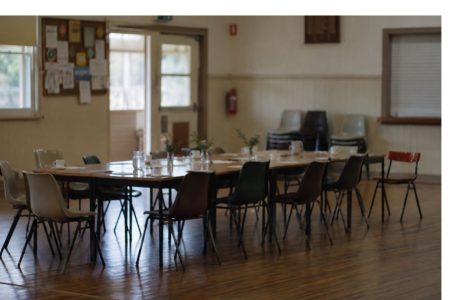

On 18–19 June, the Uniting Church in Australia brought together schools, colleges, principals, board members and chaplains from 17 entities across four Synods for Uniting Connections Conference, hosted at The Lakes College in Brisbane. It was the first national conversation on Uniting Church education in 17 years, an opportunity to discern together about what it means to be a school affiliated to the Uniting Church.
A few threads from the conference are worth bringing into our school board conversations.
Identity is governed, not just stated
One of the strongest contributions came from Knox Grammar School in Sydney, where Headmaster Scott James and Senior Chaplain Rev Dr Rosalie Clarke MacLarty spoke about reclaiming their Uniting Church heritage — describing it as an evolution rather than a revolution, built on rediscovering threads already present in the life of the school, rather than imposing something new.
Their broader point: identity isn’t carried solely by a values statement or a line in a strategic plan. It shows up in the decisions a school makes, and it’s visible in the ordinary, everyday rhythms of school life. For boards, that’s an invitation to ask whether our decisions, plans and priorities genuinely reflect who we say we are.
Child safety and dignity sit inside mission, not beside it
In her keynote, UCA President Rev Charissa Suli was direct on this point: protecting dignity and child safety isn’t a compliance add-on, it is part of the mission itself. This useful prompt invites boards to ask whether we are treating child safety frameworks purely as risk management, or do we see them as a direct expression of what the school exists to do?

Different parts of the Church carry different assumptions — and that’s workable
Rev Andrew Syme’s address took on a topic that usually goes unnamed: congregations, presbyteries, synods and schools don’t share the same age profiles, governance cultures or patterns of participation. He challenged listeners to name those assumptions rather than let them quietly shape conversations from the background and encouraged us to focus on shared commitment rather than differences.
It’s a helpful reminder, as we navigate the relationship between the school and the broader Uniting Church structures, that alignment doesn’t require sameness, just mutual understanding. Worth reflecting on what assumptions walk into the room when different parts of the Church meet, and which differences need resolving, versus simply understanding?
Where this leaves us
Jon Moriarty, Executive Officer of Uniting Education (Queensland Synod), called this gathering the first national conversation on Uniting Church education in 17 years, with strong early feedback and a real hope for more to follow. We’ll keep our schools network posted as further opportunities to engage take shape.