

By Marina Williams
For as long as humans have recorded their fears, they have imagined the end of the world.
From ancient texts to futuristic forecasts, prophecies of destruction have echoed across time.
Whether framed in religious, philosophical or scientific terms, the idea that catastrophe may loom has shaped how societies understand their place in the universe.
Today, that age-old anxiety is taking on a new form – one grounded not in myth, but in risk modelling, probability theory and global systems science.
A growing field of inquiry, known as existential risk studies, is focused on the gravest dangers imaginable: those that could permanently curtail humanity’s potential or lead to its extinction.
From artificial intelligence to climate collapse, and bioengineered pandemics to nuclear war, these risks are no longer confined to the realm of science fiction.
They are real, say academics, ethicists and political leaders – and how we respond could define the future, or end it.
Understanding existential risk
Oxford University senior researcher and author Toby Ord defines an existential risk as a risk that threatens the destruction of humanity’s long-term potential.
“The most obvious possibility is extinction,” Toby says.
“But there are others – where humanity survives for a long time but is locked into a terrible state.
“A catastrophe might stop short of extinction but cause an irrevocable collapse of civilisation, reducing humanity to a pre-agricultural state from which there was no possibility of recovery.
“Or a totalitarian regime with advanced surveillance might be able to subjugate all of humanity so completely that the regime could maintain itself indefinitely.”
Toby’s work has informed global bodies and underpins his book, ‘The Precipice’.
Unlike poverty or economic instability, existential risks are not temporary or local.
They demand prevention frameworks that stretch across nations, disciplines and centuries.
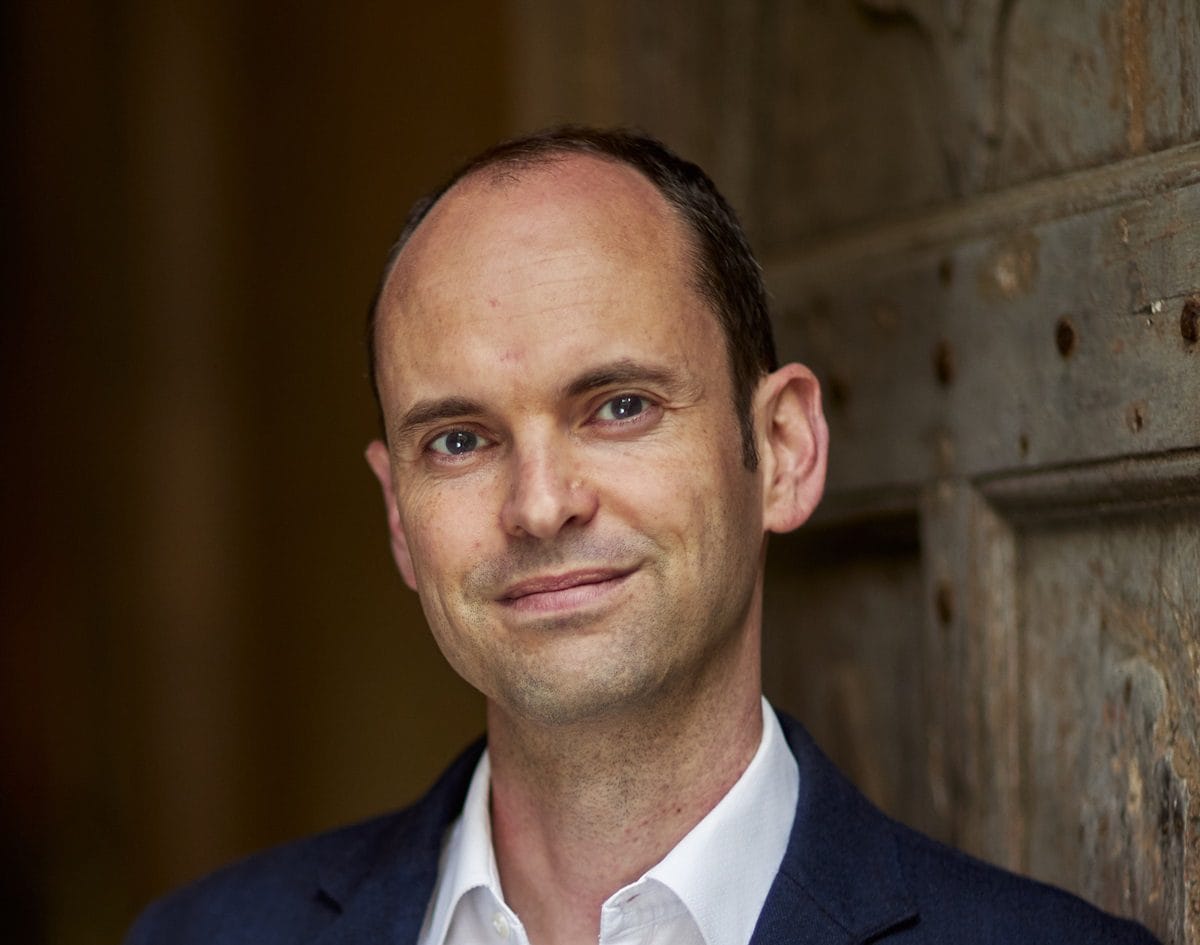
Oxford University researcher Toby Ord’s work has informed global bodies and has resulted in the book, ‘The Precipice’.
A global problem demanding global solutions
“Existential risks demand global co-operation because they do not recognise national borders,” argues Mark Zirnsak, Synod’s Senior Social Justice Advocate.
“Climate change is a good example, and it is a valid risk that is mentioned quite frequently in media and discussion.
“But there are other issues that demand attention – pandemics, AI, the fragility of democracies.
“Some of these may ultimately have even greater consequences.”
The Centre for the Study of Existential Risk (CSER) at Cambridge University echoes this view.
Its interdisciplinary research focuses on six core areas: artificial intelligence, biological threats, environmental breakdown, global justice and inequality, governance of emerging technologies, and collective decision-making systems.
Though often treated separately, these risks are fundamentally linked by the systems they threaten, says researcher SJ Beard, who has been studying existential risk at CSER for more than 10 years.
“We used to treat risks like AI, pandemics and climate as separate categories, but they’re not,” SJ explains.
“They overlap, amplify and feed into one another.
“What we’re facing is not a list of isolated problems, but a tangled web of interdependent vulnerabilities.
“People worry most about things that can hurt them directly, but actually some disasters have truly global impact.
“For instance, there are volcanoes that, if they erupted, could block shipping lanes or sever undersea cables and bring the world’s economy to a standstill.”
While thought leaders, academics and some politicians consider existential risk potentially the most pressing and neglected issue humanity faces, until recently little has been devoted to its study, Toby says.
“We are thus in a very fertile time for this research, with major results being established about relative likelihood of natural versus anthropogenic risk and a deepening understanding of the ethics and economics of the risk of human extinction,” he says.
Toby notes that while existential risks are often referenced in media or entertainment, they are rarely treated seriously.
“There is a lot of idle talk, but very little real work.” he says.
As a stark example, he points to the Biological Weapons Convention, tasked with preventing engineered pandemics, which he describes as having a “woefully inadequate” annual budget of USD$2.1 million.
“Humanity spends more on ice cream every year than on ensuring that the technologies we develop do not destroy us.”
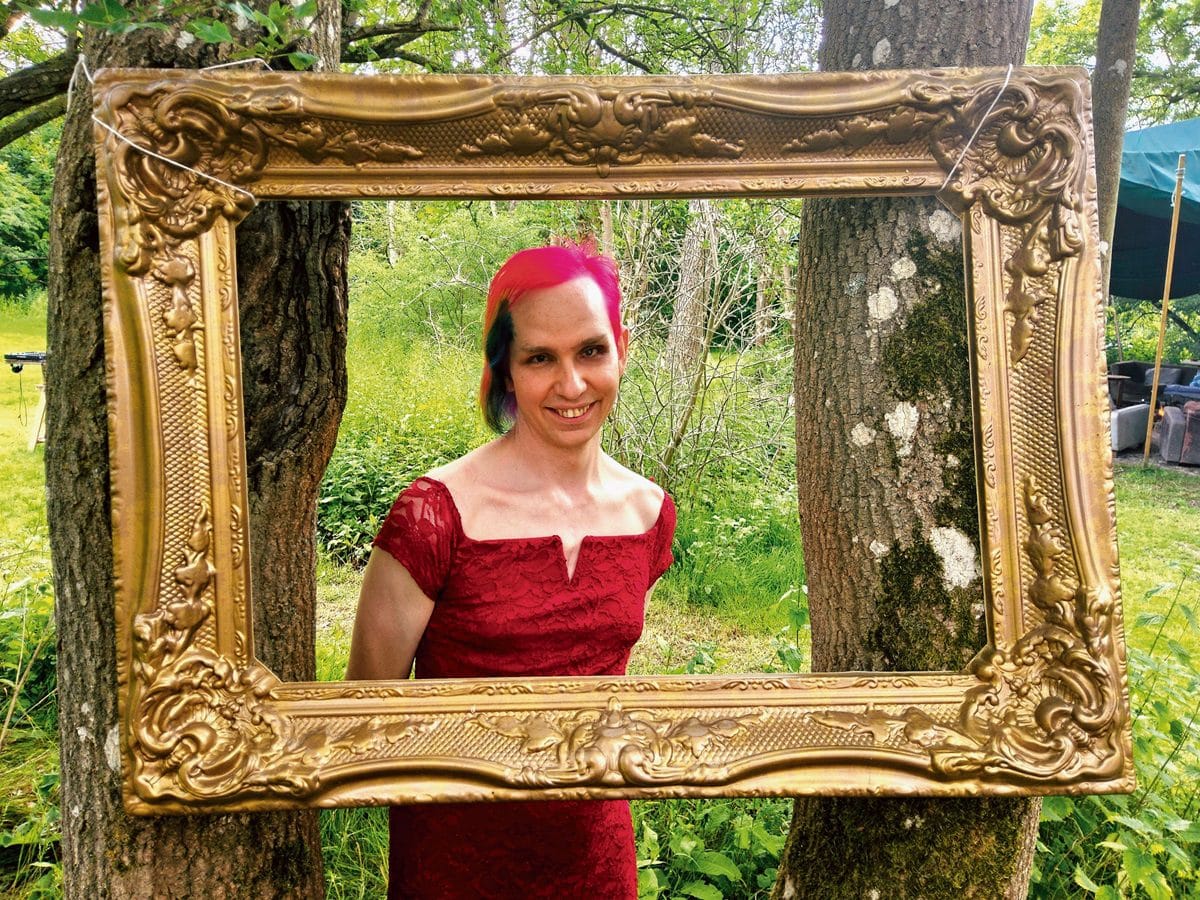
Researcher SJ Beard has been studying existential risk at Cambridge University for more than a decade.
Historical parallels and prophetic warnings
Robyn Whitaker, Director of the Wesley Centre and Associate Professor of New Testament Studies at Pilgrim Theological College, points out that while the term “existential risk” may be new, the impulse behind it is ancient.
“There’s been a sense in almost every century that the world is ending,” she says. “We are not the first generation to feel the pressure of that.”
Robyn notes that apocalyptic Christian literature, particularly the Book of Revelation, should not be read as predictions but as acts of resistance.
“Apocalyptic Christian literature is often described as a type of resistance literature,” she says.
“It critiques the current world order. It might imagine catastrophe, but it also imagines that transformation is possible. That there is hope.”
That hope, she says, is not passive.
“Christian hope is not saying, ‘God will fix it’,” Robyn says.
“Scripture consistently calls people to hold power to account and build a better world.”
This sense of ethical responsibility – to act even when the future is uncertain – is central to existential risk thinking.
Robyn sees parallels between prophetic calls for justice and today’s scientific assessments of long-term threats.
Quantifying catastrophe
Toby believes rigorous thinking is needed to turn existential threats from vague fears into concrete areas of action.
His estimates are sobering: a one in 10 chance of catastrophe from artificial intelligence, one in 30 from engineered pandemics, and one in 1000 each from climate change and nuclear war.
“No one can say for sure,” Toby says, but he estimates humanity faces a one-in-six chance of existential catastrophe this century.
“We cannot muddle through with trial and error but must be proactive.”
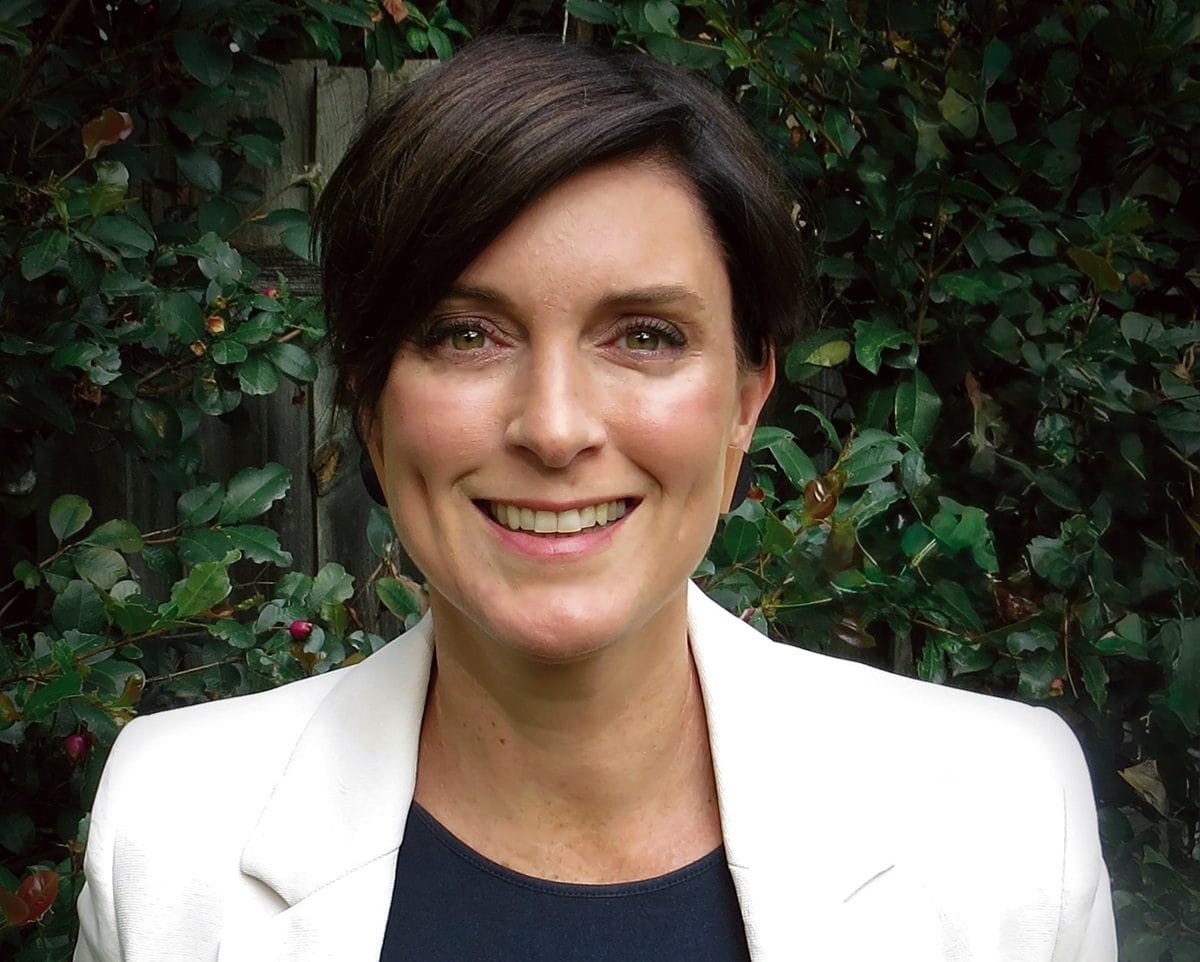
“Scripture consistently calls people to hold power to account and build a better world,” says Pilgrim Theological College Associate Professor of New Testament Studies, Robyn Whitaker.
These figures are not intended to spark panic, but planning.
That means investing in governance mechanisms that can detect, assess and mitigate risk before it escalates.
However, this could be easier said than done, particularly in a political environment that prioritises short-term wins, says Andrew Leigh, Federal Assistant Minister for Productivity, Competition, Charities and Treasury.
Populism and the perils of short-termism
The Member of Parliament and author is among a growing number of political leaders calling for more foresight in policymaking.
In his book ‘What’s the Worst That Could Happen?’, Andrew argues that populist movements, which often flourish on division and immediate grievances, make it harder to address existential risks.
“Populists demonise intellectuals, immigrants and the international order,” Andrew says.
“They thrive on short-termism … they’re not preparing humanity for the long-term threats that could wipe out everything.”
He calls for a renewed commitment to proactive governance.
“We’re not the main player in any of these catastrophic risks,” Andrew says of Australia, “but we’re an important, medium-sized economy, and we have a significant capacity to make the world safer.”
Like Toby, Andrew advocates for an intergenerational lens.
“We should value the wellbeing of future generations just as highly as we value the wellbeing of current generations,” he says.
Designing systems for the future
The way forward, says SJ Beard, lies in designing adaptive, participatory, globally co-ordinated systems.
“The public must be part of the conversation – not just consulted but empowered to shape the agenda,” they say.
That includes reforms across education, media and democracy.
“We need more documentaries, better journalism, better civic dialogue and science communication that goes beyond alarmism,” SJ says.
“And education systems that teach systems thinking from an early age.”
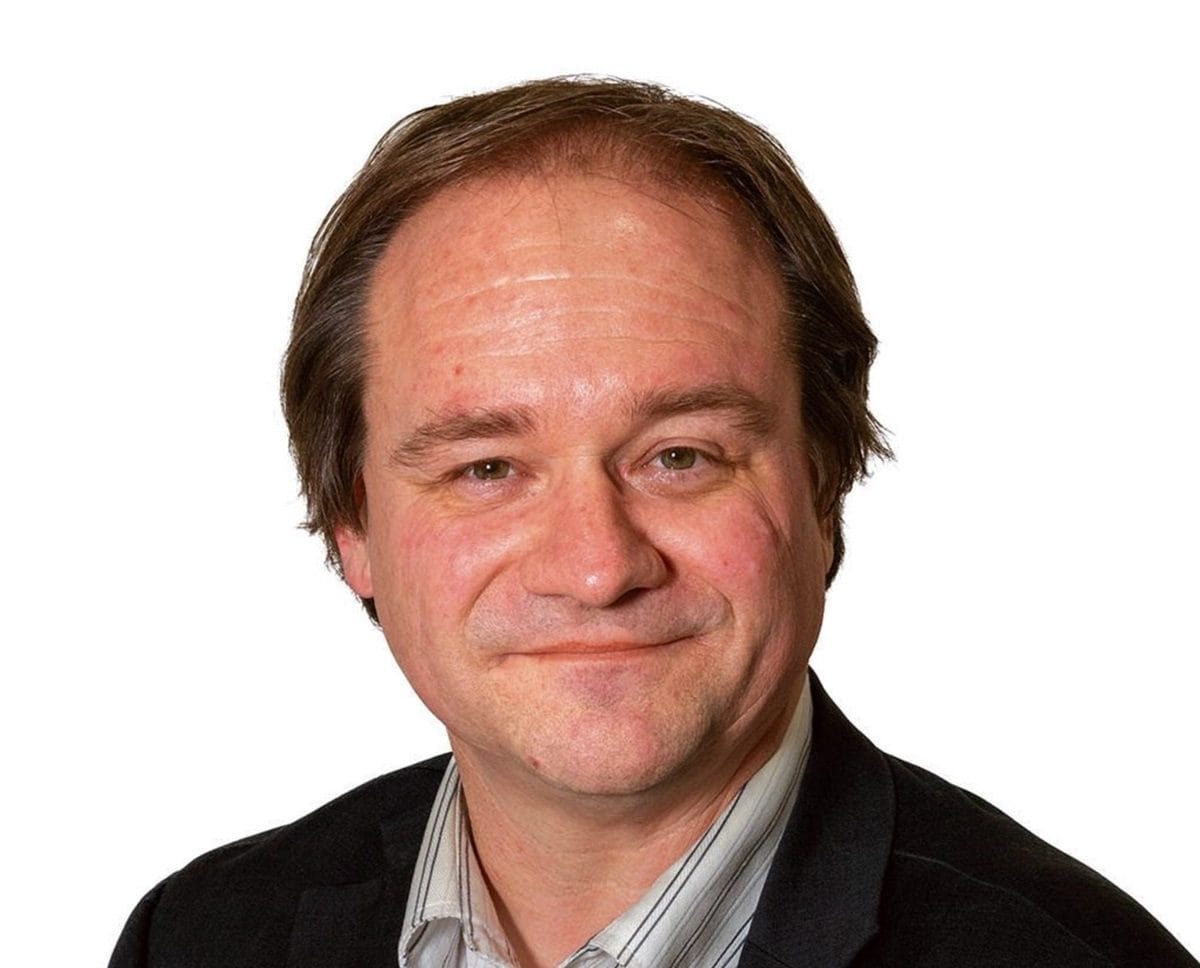
Climate change, pandemics, artificial intelligence, and the fragility of democracies are all issues that require detailed exploration, argues Senior Social Justice Advocate Mark Zirnsak.
At CSER, this means scenario modelling, participatory research, and international advocacy aimed at building what SJ calls “existential hope” – the belief that the future can be safe, equitable and meaningful.
“We need to understand why people are making dangerous choices,” they explain, “so we use a variety of social science methods and systems thinking to identify the biggest drivers of risk, and we develop scenarios and work with dedicated advocates to show decision makers what could happen if they acted differently.”
The challenge, SJ adds, is not just scientific, but structural.
“At the moment, there are two or three academic centres that are working on this … people would be surprised at how little work is done on this topic,” they say.
“There isn’t enough of a knowledge base to back up policy. We need more work, more funding, more people.”
Rethinking governance
Addressing existential risk isn’t about preventing a single event, but about transforming how humanity governs, plans, and adapts.
International co-operation must become standard practice, SJ says.
Whether in treaties on artificial intelligence, pandemic surveillance or climate agreements, collaboration must be seen not as diplomacy but as an investment in survival.
Yet collaboration requires institutions that are nimble and forward-thinking.
Toby argues that when the stakes are existential, systems of governance, whether democratic or technocratic, must be built to anticipate, not merely react.
SJ notes that while many governments now have national risk registers, these are often narrow in scope and based on short political time frames.
“By the time we get powerful AI, there may be nothing we can do,” they warn.
“It’s much easier to manage risk now, while the technology is still evolving, than later, when the costs of inaction are irreversible.”

“We can all help in starting a public conversation about the long-term future of humanity,” says Toby Ord.
Ethics must also guide policy, especially intergenerational ethics.
“Long-termism reminds us we are one page in a longer story,” Toby says.
“Safeguarding humanity’s potential could be our most lasting contribution.”
The ethical view challenges leaders to consider not only what policies serve current voters but what legacy they leave behind.
“The number of generations that could follow us may dwarf those that have come before,” Andrew says.
“That places an extraordinary responsibility on those alive today.”
Public engagement and individual agency
Toby believes the individual has real power in reducing existential risk.
“We can all help in starting a public conversation about the long-term future of humanity: the breathtaking scale of what we can achieve, and the risks that threaten it all,” he says.
“We need this to be a mature, responsible, and constructive conversation: one focused on understanding problems and finding solutions.”
Without widespread public engagement, technical solutions and ethical frameworks risk falling flat.
SJ argues that science communication, education and civic dialogue must go beyond alarmism toward constructive, participatory engagement.
For all its urgency, existential risk is not simply a catalogue of potential catastrophes.
It is also a generational invitation to choose wisely and act with foresight, SJ says.
It asks not only what we fear, but what kind of civilisation we wish to protect and what kind of ancestors we wish to become.
“Existential risk is not just about avoiding death, it’s about protecting life as something meaningful, equitable and enduring,” they say.
That idea is echoed by theologian Robyn, who sees continuity between prophetic religious tradition and today’s calls for systemic transformation.
“There’s a deep tradition of theological hope – not optimism, but a stubborn belief that even in crisis, transformation is possible,” she says.
This idea of “existential hope” – that humanity can build futures worth living in – is central to how researchers like SJ frame their work.
“Working on the biggest risks makes you realise how much agency we have – if we use it,” they note.
“People feel powerless, but they’re not.”
Toby, too, finds purpose in the scale of what humanity might still achieve.
“The best futures that are in our power to create make me strive to protect humanity’s potential through this most challenging time,” he says.
“It’s a meaningful way to engage and co-operate with fellow humans across the ages.”
Andrew sees it in political terms.
“Politicians must resist the easy wins and plan for what matters most: the continuity of civilisation, and the conditions that make it worth sustaining,” he says.
Agrees Mark: “That future is still within reach but only if we choose to shape it, not leave it to chance, and in that choice lies the fate of generations yet to come.”
Ensuring all people have equal access to advocacy and education to understand local and global issues is key, he says.
“We plan to continue to provide church members with resources to take action calling for reforms that will provide a just, sustainable and flourishing future through our social justice network,” Mark says.
“We need to be part of making our voices heard on reforms that can ensure that future.”