

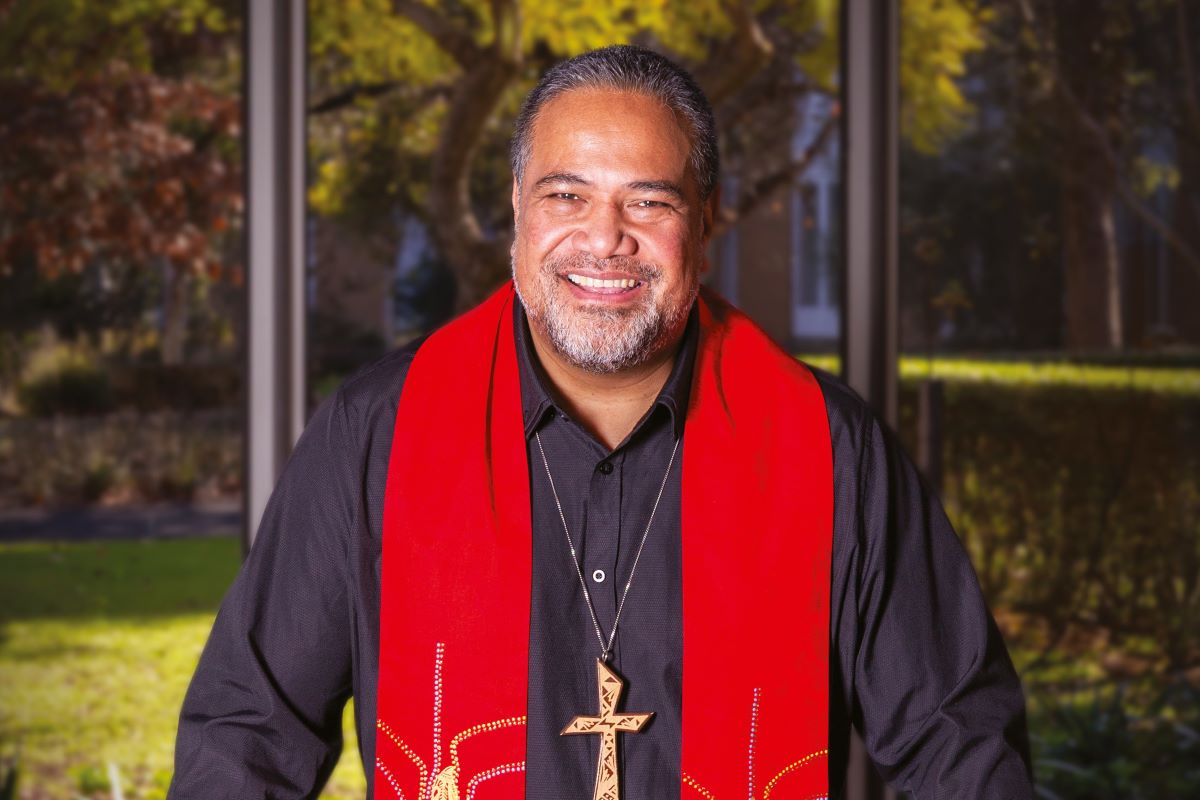
“I would hope whoever forms government keeps listening beyond the loudest voices,” says Rev Salesi Faupula.
Rev Salesi Faupula
Moderator, Synod of Victoria and Tasmania
Why is it important that Uniting Church members over 18 cast an informed vote in November?
For me, voting is about relationship. None of us live in isolation, and the decisions we make affect people we may never meet. My upbringing taught me that who we are is deeply connected to the wellbeing of others. So, I don’t think Christians should be told how to vote, and I certainly wouldn’t want everyone in the Uniting Church thinking the same way. But our faith should shape the questions we ask. Who is being heard? Who is missing? Who carries the cost of our decisions? An informed vote takes those questions seriously.
What are the important social justice/other issues that need to be addressed by whichever party wins government?
There are plenty of issues I could name: housing and cost of living, climate change, racism, First Peoples, people experiencing disadvantage, and the pressures being felt in rural communities. But underneath these, I keep coming back to how we see one another. When people become problems to solve, statistics to manage, or groups to blame, something of our humanity gets lost. I would hope whoever forms government keeps listening beyond the loudest voices. Justice, for me, begins with recognising our neighbour and asking what kind of community we are becoming together.
Do you have confidence we are currently best served by the democratic process?
Yes, I still have confidence in democracy, although I don’t think democracy is served well when winning becomes more important than listening. One thing I have learnt in the Uniting Church is that discernment can be messy. We don’t always agree, and finding a way forward can take time. Yet there is something important about staying in the room with one another. I think democracy asks something similar of us. I am drawn to that difficult space in the middle, not sitting on the fence, but holding conviction while still listening, wrestling with difference, and seeking the common good.
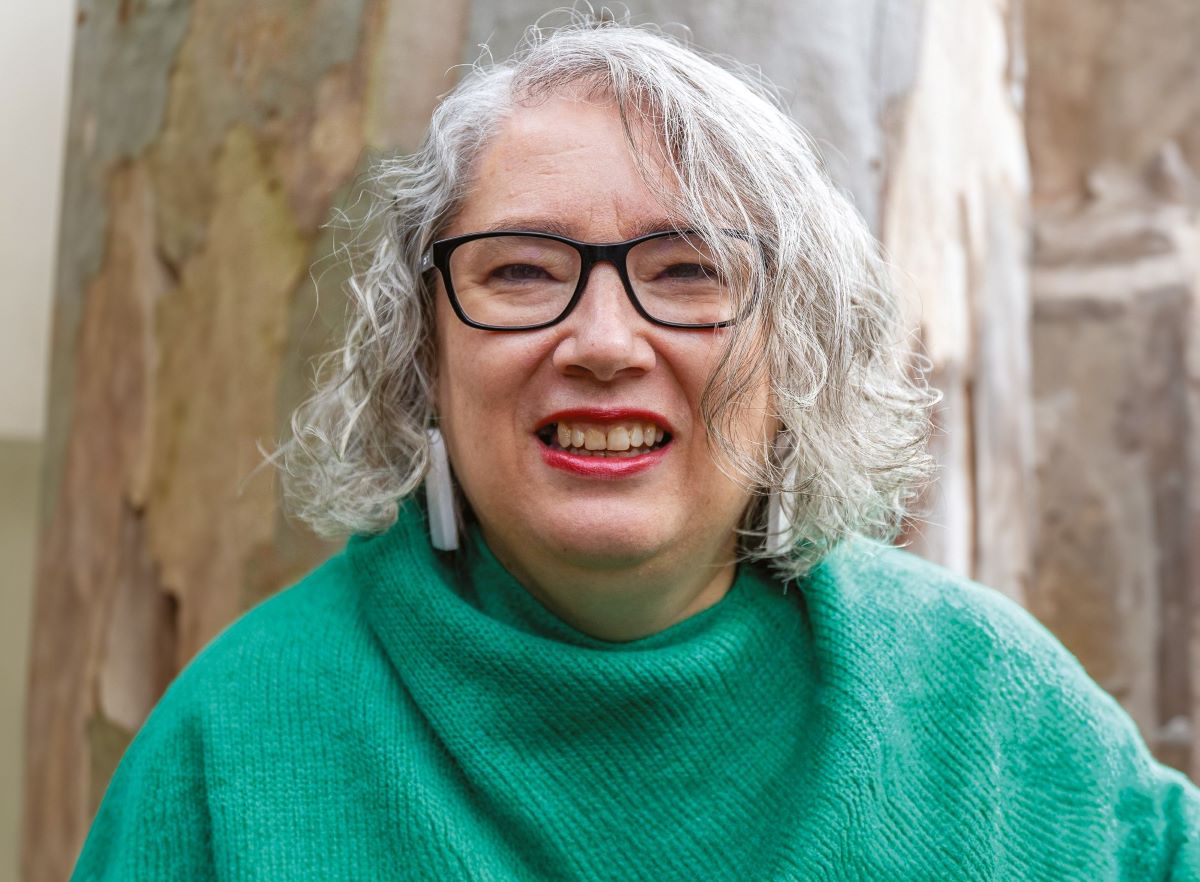
“One of the most important issues is the ongoing commitment to the Treaty process and the Government’s response to the Yoorrook Justice Commission recommendations,” says Rev Sharon Hollis.
Rev Sharon Hollis
Associate General Secretary and former Moderator
Why is it important that Uniting Church members over 18 cast an informed vote in November?
Christian faith is incarnational: lived in the world. Faith invites us to participate in building the kingdom of God in our daily lives and the communities we live in. Faith calls us to the welfare of the communities in which we live and work. Voting in an election is one way we express our discipleship and our desire to be part of building more just and kind communities. Taking time to understand the issues and candidates is an important expression of our commitment to seeking community, compassion and justice for all creation
What are the important social justice/other issues that need to be addressed by whichever party wins government?
One of the most important issues is the ongoing commitment to the Treaty process and the Government’s response to the Yoorrook Justice Commission recommendations. This includes increasing the age of criminal responsibility, and ensuring recommendations about the child protection system are implemented, guided by Indigenous wisdom, knowledge and practice.
Access to education, health and housing are fundamental human rights and the core of the work of any state government. Ensuring access for all people, and especially those who most need it, is the key to a fair and equitable society that allows people to live fulfilling and healthy lives.
Do you have confidence we are currently best served by the democratic process?
A number of things in Australia support the democratic process, including independent electoral commissions, the ease of voting and preferential voting so that we can have confidence in the election process and the outcome of the upcoming election. However, no system is perfect and our democracy would be enhanced by reforms to funding of candidates and parties, real time disclosure of funding, more transparency about who politicians meet with and support for independent media. Social media algorithms distort the information we receive. We are struggling to have discussion and disagreement in a civil way. We are served by a very good system and like all systems, even good ones requires regular improvement, constant vigilance and our willingness to be engaged and informed citizens.
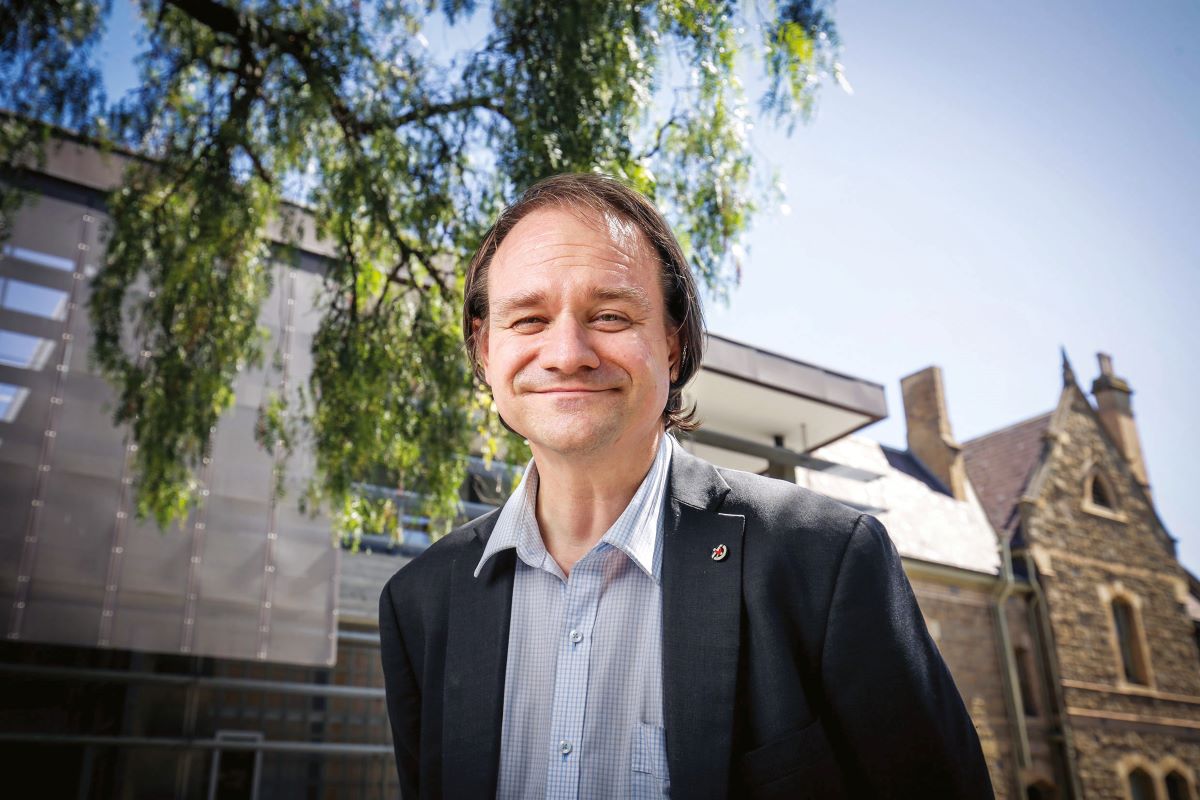
“Loving our neighbour requires that we take voting seriously,” says Dr Mark Zirnsak.
Dr Mark Zirnsak
Senior Social Justice Advocate
Why is it important that Uniting Church members over 18 cast an informed vote in November?
Voting matters. It decides who will make laws and what services and programs will be delivered in the community. How we vote impacts the lives of members of our community, especially anyone dependent on the support of services that the government delivers or funds, such as mental health services, public and community housing, services for people impacted by family and domestic violence and disability services. Loving our neighbour requires that we take voting seriously.
What are the important social justice/other issues that need to be addressed by whichever party wins government?
Top of our list would be housing. We need a government that will invest significantly in public and community housing to meet the needs of people fleeing family and domestic violence, people with disability and people in financial hardship. Other issues we are focused on are:
- Improving government engagement processes in developing laws, policies and services to give a more meaningful say to those impacted;
- Greater support for people with disability, including measures to prevent abuse, neglect and exploitation; and,
- Measures to prevent crime by addressing its causes and to rehabilitate those who have broken the law.
Do you have confidence we are currently best served by the democratic process?
Society has shifted, and our democratic process needs to change to remain “fit-for-purpose”, to maintain a society for the common good. The 2026 Edelman Trust Barometer for Australia continues to show that over the last 14 years, there has been a growing divide in trust in the current democratic system between people in the top 25 per cent of incomes and those in the bottom 25 per cent of incomes. We need reforms that allow for greater, more meaningful mass participation in democratic processes beyond voting and that curb the ability of wealthy individuals to skew the democratic system to their preferences. The final point will meet with strong resistance, because as the saying goes, “when you’re accustomed to privilege, equality feels like oppression”.
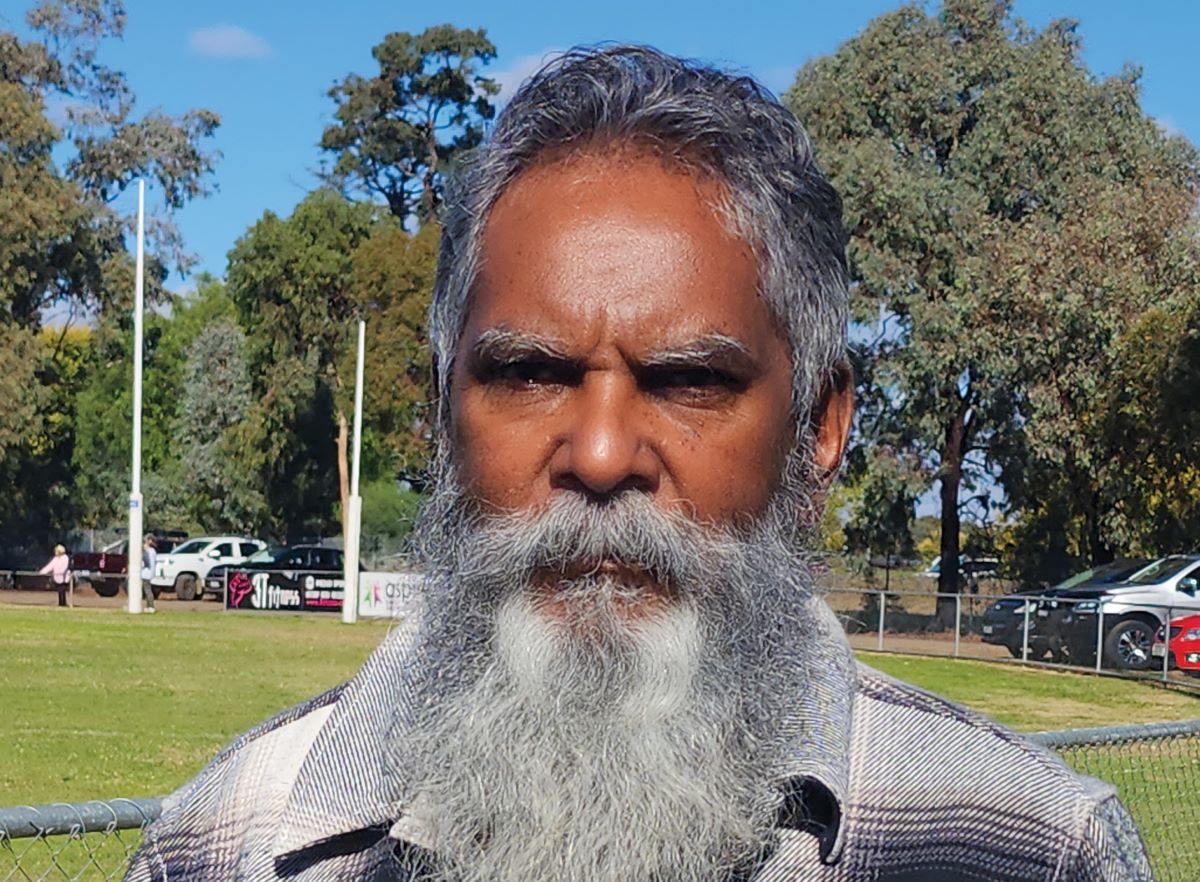
“I think it is important that everyone has a voice. In particular, young people need to be represented in our communities,” says Rev Will Pickett.
Rev Will Pickett
UAICC Victoria and former minister
Why is it important that Uniting Church members over 18 cast an informed vote in November?
I think it is important that everyone has a voice. In particular, young people need to be represented in our communities. They should also be able to speak up in their churches, among their friends, in their culture and for the people they represent. We also know that many young people are struggling in the wider community. Some are caught up in the justice system, some are unemployed, and sadly, some are no longer with us. Too often, the voices of our young people are silent or not listened to.
What are the important social justice/other issues that need to be addressed by whichever party wins government?
Racism and discrimination are not acceptable anywhere in Australia, no matter where it happens or who it is directed towards. Since the Voice referendum, many Aboriginal people have felt that racism and discrimination have become more open and noticeable. When something happens because of a person’s race or Aboriginal identity, we need to ask: Why is this still happening in Australia? No person should think it is okay to hurt, threaten, abuse or treat another person badly because they are Aboriginal or because of their cultural background. We also see racism affecting people from many other cultural backgrounds. As Australians, we should not accept this behaviour. We need to speak up against racism and discrimination wherever we see it and work towards becoming a country where everyone is treated with respect.
Do you have confidence we are currently best served by the democratic process?
For Aboriginal and Torres Strait Islander people, (the democratic process) means us having a real say in the decisions that affect our lives, families, communities and Country. Issues such as Covenant, Voice, Treaty, Truth and equality are important because Aboriginal people should be part of the decisions being made about them. But I think we still need to ask some important questions. Does our democratic process really give Aboriginal and Torres Strait Islander people a voice and real decision-making power? Are Australians prepared to listen to First Nations people and walk alongside us, rather than governments always telling us what is best for us? We want Aboriginal and Torres Strait Islander people to have a voice, to be listened to, and to be part of making the decisions that affect our own people, communities and future.
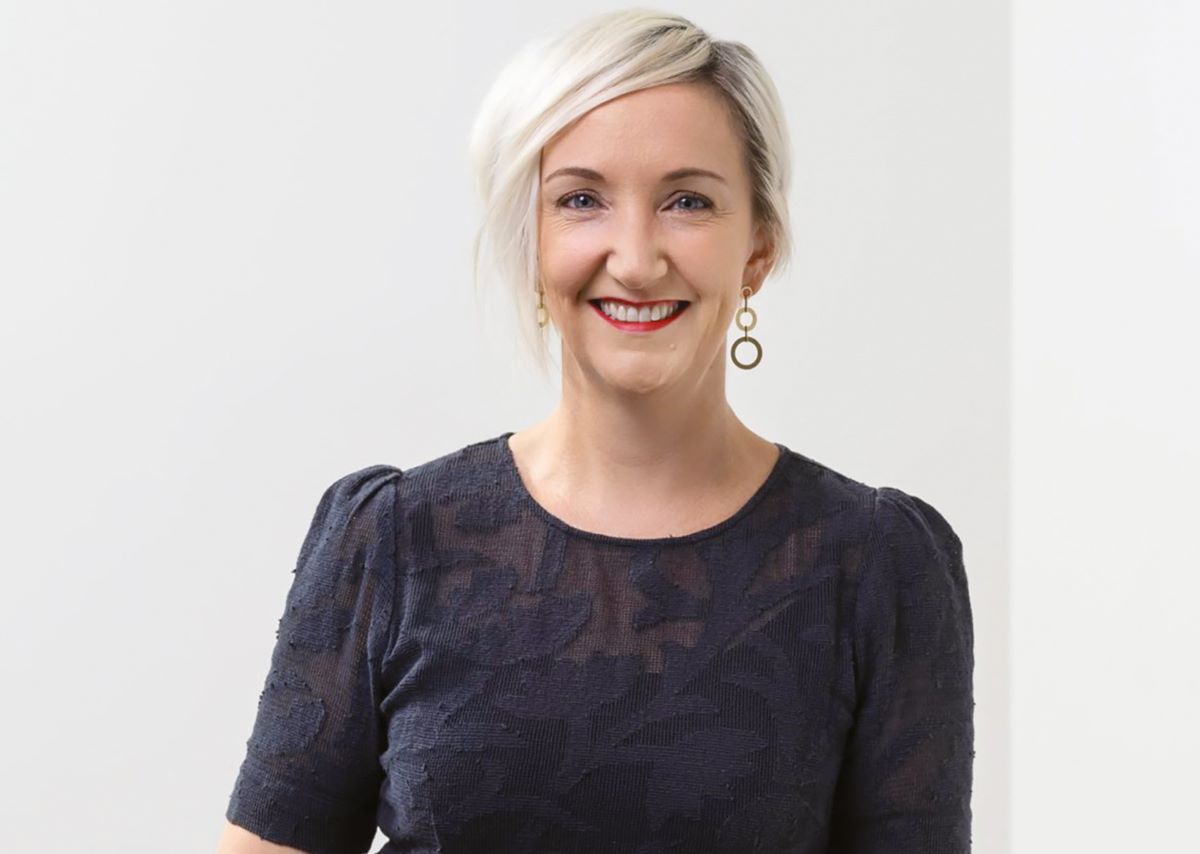
“The Christian faith has something meaningful to say about public life, always. Voting in an election is a practical way for us to engage with this notion,” says Dr Jessica Hateley-Browne.
Dr Jessica Hateley-Browne
Uniting Vic.Tas Executive Director Mission & Equity
Why is it important that Uniting Church members over 18 cast an informed vote in November?
The Christian faith has something meaningful to say about public life, always. Voting in an election is a practical way for us to engage with this notion. An informed vote means thinking seriously about the societal conditions that are most likely to reflect the values and principles that Jesus calls us to: “the importance of every human being, the need for integrity in public life, the proclamation of truth and justice, the rights for each citizen to participate in decision-making in the community, religious liberty and personal dignity, and a concern for the welfare of the whole human race”, to quote from the UCA’s 1977 Statement to the Nation. We don’t all need to reach the same conclusion. At election time in particular, we are invited to engage thoughtfully, compassionately and with an awareness of who is most affected by the decisions governments make. I think we should take up this invitation, understanding it to be an opportunity to participate in the common good.
What are the important social justice/other issues that need to be addressed by whichever party wins government?
The continuance of the work of Treaty, including ensuring Gellung Warl (representative body for First Peoples in Victoria) is able to operate independently, effectively and sustainably. This model recognises the expertise of Aboriginal people in their own lives and communities. Imagine what we can learn – as a society, as Second Peoples, as the Church.
There is no shortage of specific issues relating to poverty, trauma and disadvantage that have my attention in 2026. My hope is that no matter what form the next Victorian government takes, they’ll take action on these issues drawing on a common set of principles: do what the evidence shows works, pay what it takes to implement consistently at scale, and embed lived expertise into decision-making processes.
Do you have confidence we are currently best served by the democratic process?
I believe in the democratic vote for collective decision-making. It’s fair and everyone gets a voice. But the democratic vote alone is not equitable. Those with power and privilege get many more opportunities to influence government decision-making, directly and indirectly. A healthy, equitable democracy requires more than just free and fair elections. Civil participation, independent media, trustworthy institutions (built through transparency, accountability and separation of powers) and strongly safeguarded human rights are all important pillars of a healthy democracy. I do not have full confidence that we have all of these pillars firmly in place right now.